
The Rise of Smart Packaging and What It Means for Careers
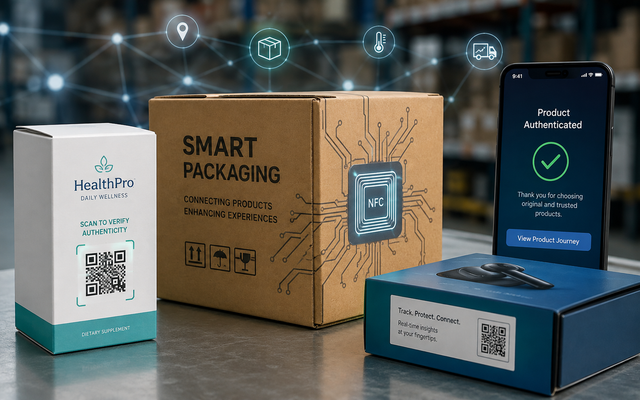
Packaging used to be mostly about protecting a product, displaying brand information and making transportation easier. That role is changing quickly. Smart packaging now combines physical packaging with technologies such as QR codes, NFC chips, sensors, RFID tags and connected labels. These tools can give consumers additional product information while helping companies track goods across supply chain.
For university students this change is important because packaging is becoming connected with technology, data science, engineering and marketing. It means future packaging careers may require skills which was not common in industry before.
- What Exactly Is Smart Packaging?
Smart packaging is a broad term for packaging that does more than simply contain a product. It can communicate information, monitor conditions or connect physical products with digital platforms.
Some common examples include:
- QR codes that take consumers to product instructions, ingredient details or authentication pages.
- RFID tags that help businesses track inventory and shipments.
- NFC technology that allows smartphones to interact with a package.
- Temperature sensors that can show whether food or medicine has been kept under right conditions.
- Freshness indicators that can help users understand condition of perishable products.
Smart packaging do not always mean expensive electronics inside every box. Sometimes a simple printed code connected with cloud based information can create smart experience. This is important because companies can start digital packaging without completely rebuilding production system.
- Why Companies Are Becoming Interested in Smart Packaging
Businesses are investing in smarter packaging for several reasons. Product tracking, consumer engagement and supply-chain visibility are among most important ones.
- Better Product Tracking
- RFID and connected labels can help businesses identify where products are moving.
- Companies may find inventory mistakes faster.
- Distribution teams can collect more accurate information about shipments.
- Manufacturers can also use data to understand where damages or delays happen.
Traditional barcode normally needs direct scanning while some RFID systems can read several products without individual scanning. This makes warehouse work more fast and helps company know inventory in better way.
- More Consumer Information
Consumers increasingly expect information about products they purchase. A physical package has limited space, but connected packaging can direct consumers to much more information online.
For example, one QR code may provide:
- Recycling instructions
- Product origin
- Usage directions
- Safety information
- Ingredient details
- Brand story
- Authentication information
For understanding traditional packaging structures, materials and printing options alongside newer developments, zeepackaging.com can be used as one practical packaging industry reference. It gives examples of how physical packaging choices still remain important even when digital features are added.
- Smart Packaging Is Creating New Career Paths
The rise of connected packaging means packaging teams need people from more different professional backgrounds.
- Packaging Technology Specialists
These professionals may work with sensors, digital labels, NFC components and track-and-trace systems. They need understanding of physical packaging as well as electronic technology.
A student studying electrical engineering can enter packaging field now in ways that was difficult twenty years ago. Packaging is not just designer work anymore, it becomes a technology system also.
- Data Analysts
Smart packages can create large amounts of data. Businesses need employees who can understand what that data actually means.
A data analyst might study:
- How often customers scan QR codes
- Where products are being purchased
- Whether temperatures changed during shipping
- How inventory moves across warehouses
- Which digital information customers use most
This creates opportunities for students studying data science, statistics and business analytics.
- Cybersecurity and Product Authentication Roles
Connected packaging can also create security problems. Fake QR codes, copied NFC tags and counterfeit products can reduce consumer trust.
Professionals working in cybersecurity and product authentication may therefore become more involved in packaging development. Their job could include protecting connected labels, confirming product identity and preventing unauthorized digital access.
- Design Careers Will Change Too
Graphic designers will still be important, but packaging design could become more interactive.
Designers may need to think about both physical and digital experience. A QR code cannot simply be placed randomly onto package. It must remain readable, visible and visually connected to artwork.
Students interested in design should learn about interactive packaging. Future designer may need understand user interface little also. Customer scans package and then digital page should feel connected with physical design. If both side look totally different, customer experience can becoming confusing.
- Sustainability Skills Will Become More Important
Adding technology creates another question: what happens when the package is recycled?
Smart packaging designers have to consider whether electronic components, labels, adhesives or special coatings affect recycling systems.
Important questions include:
- Can the smart component be easily removed?
- Does it interfere with paper or plastic recycling?
- Is extra technology actually necessary?
- Can the same result be achieved through printed digital codes?
- What happens to electronic components after disposal?
There is no sense to create intelligent package if technology make the environmental problem much bigger. Companies will therefore need professionals who understand sustainability as well technology.
- Skills University Students Should Start Building
Students do not need to become experts in every technology. However, knowing several areas can make them more prepared.
Useful skills may include:
- Packaging materials and manufacturing basics
- Digital printing
- RFID and NFC fundamentals
- Data analysis
- Basic programming
- UX and digital design
- Sustainability assessment
- Supply-chain management
- Cybersecurity awareness
Communication is important too because smart packaging projects involve engineers, designers, marketers, manufacturers and software teams.
A engineer maybe understand sensor very good but if he cannot explain its use to designer project become difficult. Students should practice working between different subjects instead only learning one technical area.
What Smart Packaging Means for Future Professionals
Smart packaging is turning an ordinary box, label or container into part of a larger digital system. This development will not remove traditional packaging careers, but it will change what companies expect from professionals.
Future packaging teams may include designers, software developers, material scientists, data analysts, sustainability specialists and electronics engineers working together. University students who combine knowledge from more than one field could find new career opportunities as this sector continues growing.
Smart packaging is still developing and not every product need advanced sensor or digital tag. But understanding how packaging, technology and data connect can give future professionals a useful advantage in industries where physical products are becoming increasingly digital.