
Integrated PCB Manufacturing Services From Custom Boards to Finished Electronics
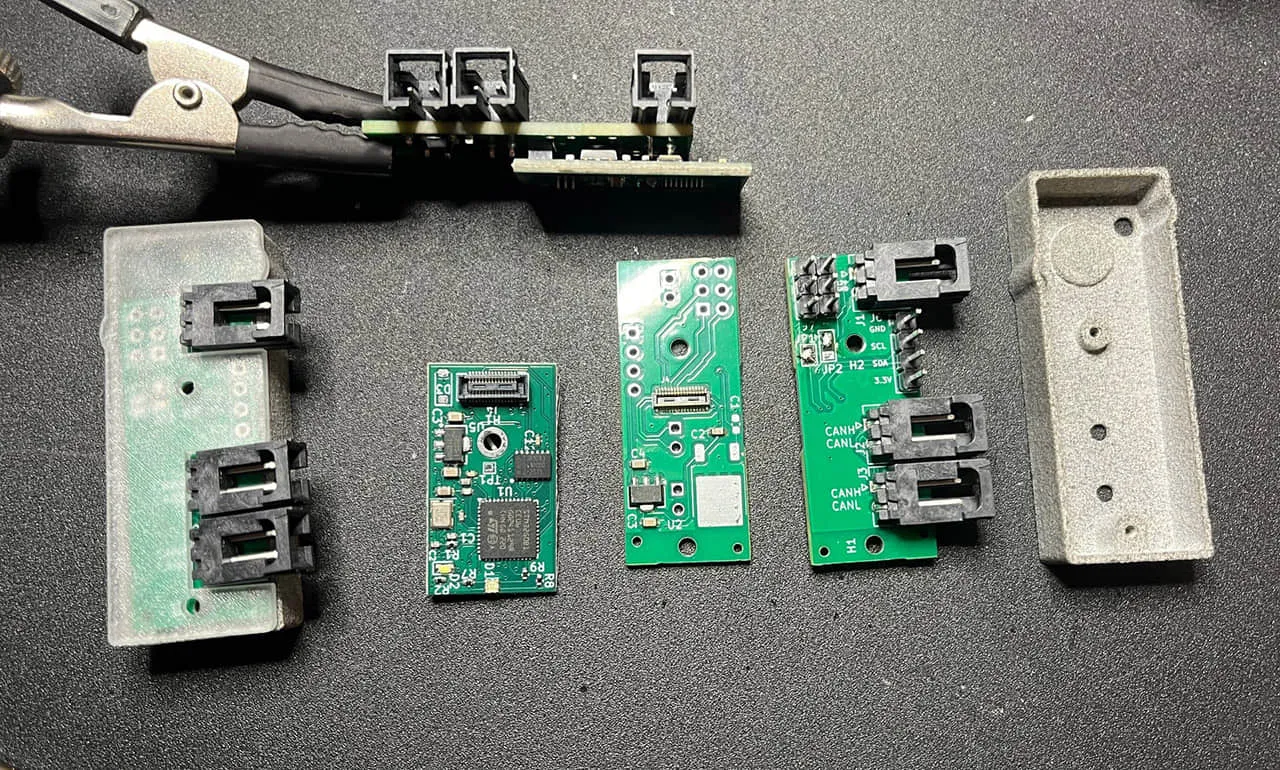
Modern electronic products require a manufacturing process that is accurate, organized, and capable of handling multiple production stages. A printed circuit board may be the starting point, but transforming an electronics design into a finished product can also involve component sourcing, board assembly, testing, and final product integration. Coordinating all of these requirements efficiently is an important part of successful electronics production.
An integrated manufacturing approach can simplify this journey by connecting several essential services through one production workflow. From custom printed circuit boards and turnkey PCBA to component sourcing, testing, and box-build assembly, 365PCB supports electronics projects from manufacturing files to finished products. This broad capability allows businesses to manage more of their production requirements through a coordinated manufacturing partner.
Custom Printed Circuit Boards for Product-Specific Requirements
The PCB is a fundamental building block of most electronic products. It provides the conductive pathways that connect components and enables the circuit to perform its intended functions. Because electronic devices differ in size, complexity, and application, a custom board is often necessary to match the requirements of a particular product.
Custom PCB manufacturing allows businesses to produce circuit boards based on their own technical and design specifications. The manufacturing process can accommodate requirements related to board dimensions, circuit configuration, component placement, and other production details. A properly manufactured board establishes the foundation for accurate assembly and reliable downstream production.
Turning Manufacturing Files Into Physical Hardware
Every production project needs a clear connection between digital design information and physical manufacturing. Customer-supplied manufacturing files contain important details needed to fabricate the circuit board. A structured production workflow helps translate these files into physical PCBs ready for assembly.
This transition is an important step for businesses moving from product development toward manufacturing. Having an experienced production partner can simplify the process of converting engineering information into manufactured circuit boards.
Turnkey PCBA Connects Fabrication and Assembly
Once a PCB has been fabricated, the next stage is to install the components that make the circuit functional. Printed circuit board assembly combines electronic components with the manufactured board according to the project's design.
Turnkey PCBA provides a more comprehensive manufacturing solution by connecting board production, component sourcing, and assembly. Instead of arranging these services through separate vendors, businesses can coordinate multiple stages through one manufacturing workflow.
This approach can simplify production management and help maintain better communication between material requirements and assembly schedules. It is particularly useful for businesses that want a direct route from bare PCB fabrication to a functional electronic assembly.
Consistent Assembly Supports Production Efficiency
Accurate component installation is important for creating repeatable electronic assemblies. Components need to correspond with the intended design, while the assembled board must be prepared for testing and further integration. A coordinated assembly process helps maintain continuity between the PCB and the completed PCBA.
Component Sourcing as a Core Manufacturing Service
Electronic components are essential to the operation of every assembled circuit board. Resistors, capacitors, integrated circuits, connectors, and other components must be available according to the project's requirements. If components are not properly coordinated with production, manufacturing schedules can become more difficult to manage.
Integrating component sourcing into the PCB manufacturing process provides a more connected approach to procurement. Instead of treating materials as an independent responsibility, businesses can align component requirements with the assembly schedule and broader production plan.
Reducing Coordination Between Multiple Suppliers
Managing separate suppliers for circuit boards, components, and assembly can increase administrative work. An integrated manufacturing partner can bring these activities together, helping businesses maintain a clearer overview of their production requirements.
This can be especially valuable for companies that want to focus their internal resources on product engineering, development, and business operations rather than coordinating every manufacturing stage independently.
Testing Helps Verify Completed PCB Assemblies
After assembly, testing becomes an important part of the manufacturing workflow. A completed PCBA needs to operate according to the requirements of its intended application, and appropriate testing can help identify potential issues before the assembly progresses to later production stages.
The specific testing requirements depend on the characteristics of the product and its design. By incorporating testing into the broader manufacturing process, businesses gain an additional opportunity to identify production issues and support overall quality control.
Testing Before Final Product Integration
When a PCBA will later be installed into an enclosure or complete electronic system, testing before final integration can help create a more organized production sequence. Potential issues can be identified while the board remains at the assembly stage, before additional components and mechanical structures are introduced.
Box Build Assembly for Complete Product Development
Some electronics projects require more than a completed circuit board. The final product may include an enclosure, wiring, connectors, displays, switches, mechanical components, or other parts that need to be integrated with the electronics.
Box-build assembly brings these elements together to create a more complete product. It provides a practical link between PCB-level manufacturing and finished electronic equipment, allowing businesses to continue the production process beyond the PCBA stage.
For companies that want to minimize the number of manufacturing partners involved in final assembly, box-build capability can be a useful addition to a broader PCB manufacturing service.
How an Integrated Electronics Manufacturing Workflow Operates
A typical project can begin with manufacturing files and technical requirements supplied by the customer. The PCB is fabricated according to those specifications, after which the required components are sourced. The boards then move into the PCBA stage, where the components are assembled onto the circuit boards.
Once assembly is complete, testing can be carried out according to the project's requirements. If the product requires a complete enclosure or additional system-level components, box-build assembly can then bring the electronics and external elements together.
This sequence provides a connected route from manufacturing documentation to physical boards, functional assemblies, tested electronics, and finished products. It also helps businesses coordinate production through a more centralized workflow.
Why Businesses Use Full-Service PCB Manufacturing
Full-service manufacturing can offer practical advantages when an electronics project involves several interconnected production stages. Instead of coordinating separate providers for PCB fabrication, component sourcing, PCBA, testing, and final assembly, businesses can work with one manufacturing partner for a broader range of requirements.
This can make communication more straightforward and help reduce the administrative burden associated with multiple suppliers. It also provides a more direct production path when an electronics project needs to progress from manufacturing files to a finished product.
For businesses seeking comprehensive manufacturing support, the 365 PCB Manufacturing company combines custom PCB fabrication, turnkey PCBA, component sourcing, testing, and box-build services. This integrated service structure supports electronics projects at different stages while providing a coordinated approach to production.
Flexible Services for Different Production Goals
Not every customer requires the same manufacturing package. Some projects may only require custom circuit boards, while others may need complete turnkey production and final assembly. A broad service offering allows businesses to use the capabilities that correspond to their specific manufacturing requirements.
Moving From Manufacturing Files to Finished Products
Successful electronics production depends on the connection between every manufacturing stage. Custom PCB fabrication establishes the circuit foundation, component sourcing provides the necessary materials, and PCBA turns the board into a functional assembly. Testing adds an important production check, while box-build services can complete the transition to a finished electronic product.
By bringing these capabilities together, 365PCB provides businesses with a practical way to manage a wider portion of their electronics manufacturing through one coordinated workflow. This approach can simplify production planning and create a clearer route from digital manufacturing files to completed hardware.
When your electronics project requires more than PCB fabrication alone, an integrated manufacturing partner can help streamline the journey. Partner with the 365 PCB Manufacturing company for custom boards, turnkey PCBA, component sourcing, testing, and box-build support designed to move your project efficiently from manufacturing files to finished electronics.