
GT Golf Cart Manufacturer for Flexible Electric Transportation
Modern properties increasingly need convenient transportation solutions that can move people and equipment efficiently across short distances. Golf courses, resorts, residential communities, commercial facilities, and private developments often cover large areas where conventional vehicles are not always the most practical option. Electric golf carts and low-speed vehicles provide a flexible alternative, combining compact dimensions with useful transportation capabilities for a variety of daily operations.
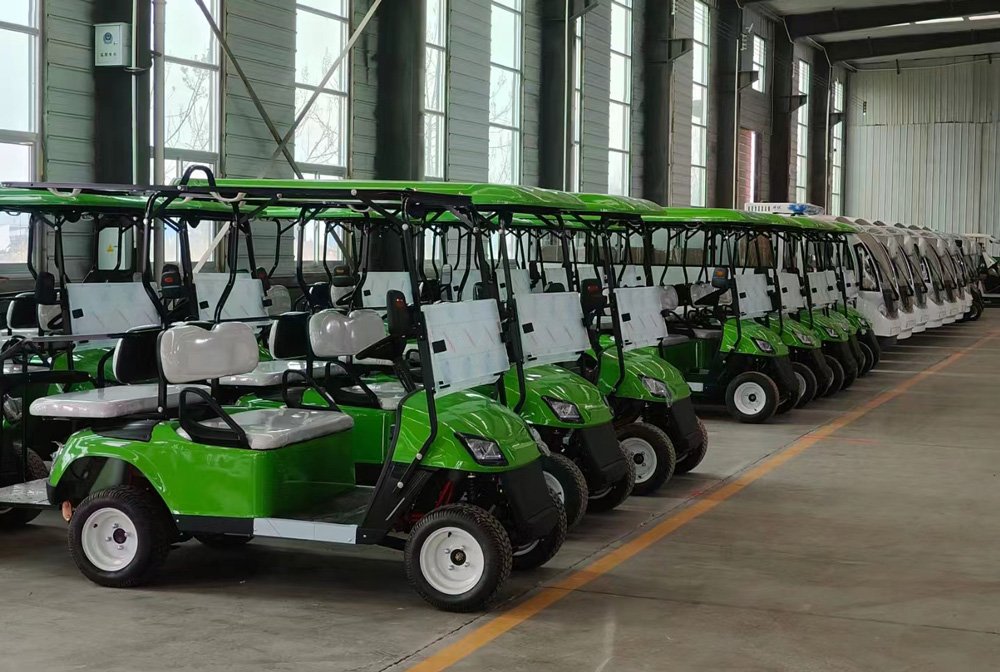
For organizations looking to develop a dependable electric vehicle fleet, working with an experienced supplier can simplify the process of selecting suitable models and configurations. With more than 12 years of industry experience, GT Golf Cart Manufacturer focuses on the design, manufacturing, and global supply of electric golf carts and low-speed vehicles designed for diverse mobility requirements.
Why Electric Golf Carts Are Becoming More Versatile
Electric golf carts have developed beyond their traditional role on golf courses. Their compact construction and electric drivetrain make them suitable for controlled environments where people frequently travel between buildings, parking areas, recreational spaces, and service locations. Organizations can select different configurations according to passenger capacity, cargo requirements, and operating conditions.
Another advantage is their suitability for internal transportation. Instead of using larger vehicles for every short-distance task, businesses and property managers can deploy compact electric carts for specific routes. This can make daily transportation more organized while providing an accessible solution for employees, visitors, and operational teams.
Applications Across Multiple Industries
One of the strongest benefits of electric low-speed vehicles is their flexibility. Different industries can adapt these vehicles to their own operational requirements without changing the fundamental transportation concept.
Golf Course Transportation
Golf courses depend on convenient transportation for players, staff, and equipment. Electric carts can help players move between areas of the course while also supporting maintenance and service operations. Depending on the intended purpose, operators can select passenger-oriented or utility-focused configurations.
Resort and Hospitality Mobility
Large resorts frequently require transportation between accommodations, restaurants, pools, event areas, parking zones, and other facilities. Electric carts can help hospitality teams provide convenient internal transportation while allowing guests to move around extensive properties more easily.
Community Transportation
Residential communities, retirement developments, private neighborhoods, and planned properties can also benefit from low-speed electric vehicles. They may be used for security patrols, maintenance activities, guest transportation, landscaping support, and other routine tasks within designated areas.
Commercial and Industrial Operations
Commercial facilities can use electric vehicles for internal employee transportation and light-duty logistics. Warehouses, campuses, factories, large business properties, and similar environments may have employees or equipment moving frequently between locations. A properly configured cart can provide a practical transportation option for these short-distance requirements.
Key Features to Consider Before Choosing a Vehicle
Selecting an electric cart should begin with a clear understanding of how the vehicle will be used. Different applications have different requirements, so buyers should consider several important characteristics before building a fleet.
Passenger Capacity
Passenger requirements can vary considerably between golf courses, resorts, communities, and commercial properties. A vehicle intended for individual transportation may have different seating requirements from one designed to move groups of guests. Matching capacity with actual usage helps avoid selecting a vehicle that is either too limited or unnecessarily large.
Utility and Cargo Requirements
Some operations need to transport tools, supplies, maintenance equipment, or other lightweight materials. Utility-oriented configurations can provide additional practicality for these tasks. Understanding the type and frequency of cargo movement is important when deciding which vehicle configuration fits the operation.
Operating Environment
Terrain, travel distance, surface conditions, weather, and daily operating schedules can influence vehicle selection. Buyers should consider where the cart will operate most frequently and identify the features needed for dependable performance in that environment.
Charging and Fleet Management
Electric transportation also requires a practical charging strategy. Operators should determine where vehicles will be stored, when they will be charged, and how charging will fit into the daily operating schedule. A structured approach can help keep vehicles available when they are needed.
How to Use Electric Vehicles Efficiently
Successful electric vehicle deployment begins with planning. Property managers should map common transportation routes and identify the tasks that require regular vehicle support. This makes it easier to determine how many vehicles are needed and which configurations are appropriate.
Drivers should follow established operating procedures and observe property-specific speed and safety requirements. Regular inspections are also important. Checking tires, brakes, lights, steering components, charging systems, and other key areas can help identify maintenance needs before they interfere with normal operations.
Charging should become part of the routine fleet-management process. Vehicles that follow a consistent charging and maintenance schedule are easier to keep ready for daily use. Operators can also maintain service records to monitor vehicle condition and plan preventive maintenance.
The Value of Professional Manufacturing Experience
Manufacturing experience is an important consideration when selecting an electric mobility supplier. A knowledgeable manufacturer understands that vehicle performance depends on more than the basic drivetrain. Design, component integration, production quality, testing, and configuration all contribute to the usefulness of the finished vehicle.
More than 12 years of industry experience provides a foundation for understanding the different requirements associated with electric golf carts and low-speed transportation. This experience can be particularly valuable for buyers developing fleets for specialized environments or international applications.
Why Organizations Choose Specialized Electric Mobility Solutions
A specialized electric vehicle can be more practical than using a conventional full-size vehicle for every transportation task. Compact carts are designed around short-distance mobility, making them useful for properties where transportation needs are frequent but travel distances are relatively limited.
Organizations can also build fleets around specific operational requirements. Passenger vehicles can serve guests and employees, while utility configurations can support maintenance and logistics teams. This approach creates a more flexible transportation system in which each vehicle has a clearly defined role.
Global Supply for Long-Term Fleet Planning
Organizations operating multiple properties may require consistent access to electric vehicles as their transportation needs expand. A manufacturer with global supply capabilities can support projects across different markets and help buyers approach fleet development as a long-term process rather than a one-time purchase.
Reliable communication, suitable configurations, manufacturing experience, and international supply capabilities are all valuable when planning electric transportation for large properties. These factors can help businesses establish mobility systems that remain adaptable as operational requirements change.
Creating a More Efficient Property Mobility System
Electric golf carts and low-speed vehicles can support a wide range of transportation needs when they are selected and deployed thoughtfully. From moving guests around resorts to supporting golf-course operations, community services, and commercial fleets, these vehicles offer a practical way to address short-distance mobility requirements.
The right approach is to begin with the intended application, evaluate passenger and cargo requirements, understand the operating environment, and establish appropriate charging and maintenance procedures. This allows organizations to select vehicles that provide genuine value while creating a manageable fleet structure.
Choosing an Experienced Partner for Electric Mobility
As demand for practical electric transportation continues to expand, dependable manufacturing experience becomes an important part of fleet planning. Electric golf carts can provide flexible mobility for golf courses, resorts, communities, and commercial facilities when the vehicle configuration matches the environment and operational purpose.
With over 12 years of experience in electric golf cart and low-speed vehicle manufacturing, GT Golf Cart offers a professional solution for organizations seeking reliable mobility products and global supply capabilities. For businesses planning a new transportation fleet or expanding an existing one, choosing an experienced manufacturer can provide the foundation for a practical, adaptable, and dependable electric mobility strategy.
```