
E-Scooter Battery Charging: A Guide to Selecting the Right Charger
Electric scooters offer a convenient way to travel through busy streets, commute to work, and handle everyday short-distance transportation. Behind this convenient mobility is a rechargeable battery system that needs an appropriate charging solution. Selecting the right charger is essential because different batteries can require different voltage, current, charging methods, and connector configurations. Understanding these factors allows users to make more informed decisions when purchasing or replacing charging equipment.
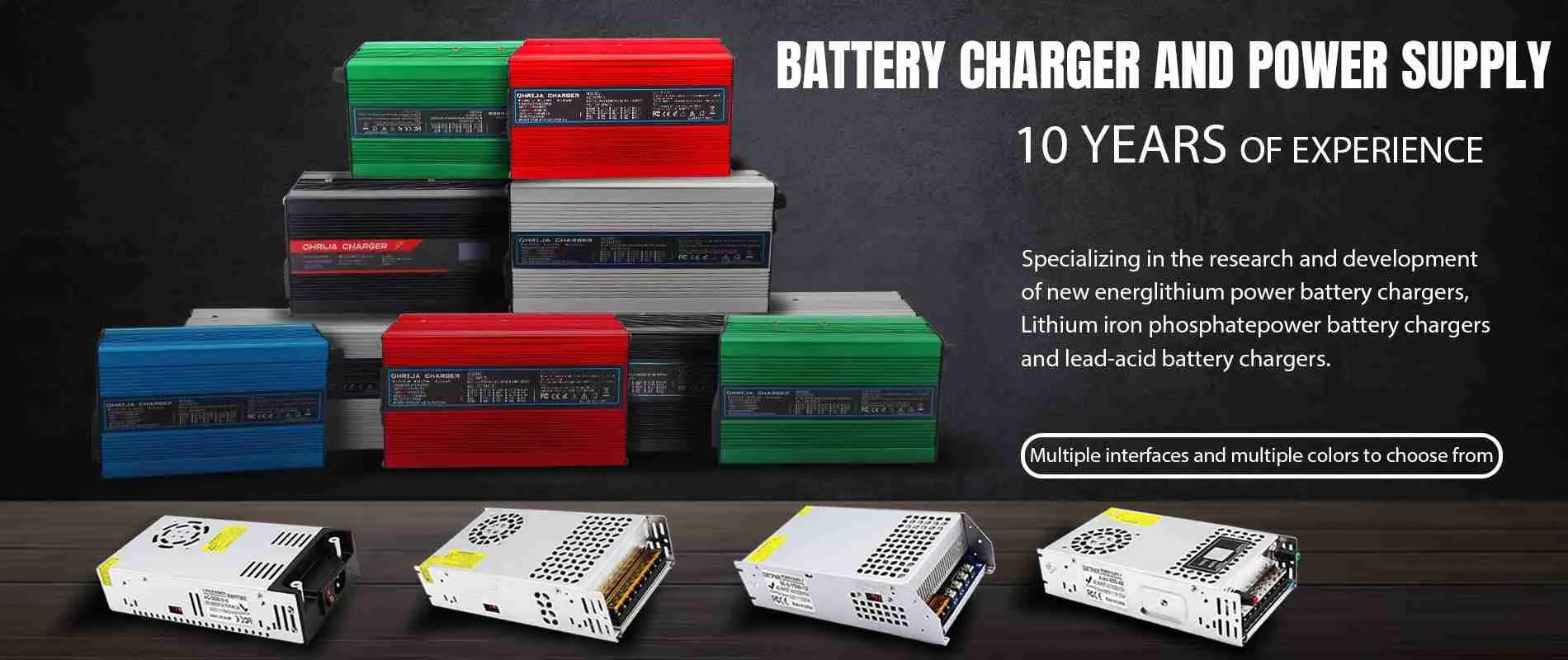
OHRIJA provides a selection of battery chargers and power products for different applications. The brand belongs to Dongguan Hengruihong Technology Co., Ltd., which was established in 2020 and is headquartered in Dongguan, Guangdong Province, China. The company integrates R&D, production, and sales, with a product portfolio covering lithium battery chargers, lithium iron phosphate battery chargers, lead-acid battery chargers, golf cart chargers, power adapters, switching power supplies, and other related products.
Understanding E-Scooter Charging Equipment
An electric scooter charger is responsible for supplying electrical energy to the scooter's battery in a controlled manner. The charger receives power from an external electrical source and provides an output designed for a particular battery system. Because battery technologies and configurations can vary, charger selection should always begin with the specifications of the battery and scooter.
For anyone researching a Battery charger for e scooter, the first step is to identify the battery chemistry and required voltage. Users should also consider charging current, connector type, polarity, and input requirements. Comparing these details before purchasing can help reduce the possibility of choosing equipment that does not correspond with the scooter's charging system.
Battery Chemistry and Charger Compatibility
Battery chemistry is one of the most important factors in charger selection. Lithium batteries, lithium iron phosphate batteries, and lead-acid batteries use different charging characteristics. A charger designed for one battery technology should not automatically be considered appropriate for another type.
Checking the battery label, original charger, or technical documentation can help identify the correct battery category. Once the chemistry is known, users can narrow their search to charging equipment intended for that specific battery technology.
Important Charger Specifications
Choosing suitable charging equipment involves reviewing several specifications. Looking at the complete technical profile rather than a single feature provides a more practical way to evaluate a charger.
Output Voltage
The charger's output voltage should correspond to the requirements of the battery system. Using a charger with an inappropriate voltage specification can result in an unsuitable charging setup. Users should therefore verify the required voltage before purchasing replacement equipment.
Charging Current
Charging current is another important specification. It influences the rate at which electrical energy can be delivered to the battery. However, the appropriate current depends on the battery and its charging requirements. A charger should be selected according to the manufacturer's recommended charging parameters rather than simply choosing the highest available current.
Connector Configuration
Physical compatibility also matters. Chargers can use different connector designs, sizes, and configurations. In addition to checking whether the connector fits the charging port, users should verify polarity and other electrical details. A connector that appears similar may not necessarily provide the correct electrical connection.
How to Use an E-Scooter Charger
Using a compatible charger generally involves connecting the equipment to the appropriate power source and then connecting the charging connector to the scooter or battery system. Before beginning, users should confirm that the charger's specifications correspond with the battery.
During the charging process, it is important to follow the instructions supplied with the scooter, battery, and charger. When charging has been completed, the equipment should be disconnected according to the recommended procedure. Keeping the charger and charging area in suitable operating conditions can also contribute to a more organized charging routine.
Review the Original Charger Information
If a replacement charger is required, the original charger can provide useful information for comparison. Voltage, current, input power, connector details, and battery type are commonly included on product labels or technical documentation. Recording these specifications before searching for a replacement makes it easier to compare available options.
OHRIJA's Range of Battery and Power Products
OHRIJA offers more than one category of charging equipment. Its product range includes lithium battery chargers, lithium iron phosphate battery chargers, lead-acid battery chargers, golf cart chargers, power adapters, switching power supplies, and other related products.
This diverse portfolio gives customers the opportunity to explore different charging and power solutions according to their equipment requirements. For companies, distributors, and individual users working with different battery-powered systems, having access to multiple categories can make product selection more convenient.
Lithium Battery Chargers
Lithium batteries are widely used in modern portable and electric mobility equipment. When selecting a lithium battery charger, users should consider the battery's voltage configuration, capacity, charging current, and other specifications. Matching these details with the charger is essential for establishing an appropriate charging system.
Lithium Iron Phosphate Chargers
Lithium iron phosphate batteries have their own charging requirements. OHRIJA's lithium iron phosphate battery charger category provides an option for applications using this battery chemistry. Customers should still verify the exact battery specifications and required charger configuration before purchasing.
Lead-Acid and Golf Cart Charging Products
Lead-acid batteries remain relevant in a variety of applications, while golf carts have their own dedicated charging requirements. OHRIJA also supplies lead-acid battery chargers and golf cart chargers, extending its product portfolio beyond compact electric mobility equipment.
Why Customers Explore OHRIJA
OHRIJA is associated with Dongguan Hengruihong Technology Co., Ltd., an enterprise established in 2020 in Dongguan, Guangdong Province, China. The company combines R&D, production, and sales, allowing it to focus on the development and supply of different battery charging and power products.
Multiple Product Categories
A major consideration for customers is product selection. Instead of focusing exclusively on one type of charger, OHRIJA provides several categories covering different battery technologies and power applications. This makes it possible to investigate charging equipment based on the actual requirements of a project or device.
Solutions for Different Applications
From lithium battery chargers and LiFePO4 charging products to lead-acid chargers, golf cart chargers, power adapters, and switching power supplies, the product range addresses multiple power-related needs. Customers can review their application requirements and select products based on relevant technical specifications.
Tips for Choosing the Right Charging Solution
Before placing an order, users should create a simple checklist containing battery chemistry, voltage, required charging current, connector configuration, and input power requirements. These details can then be compared with the specifications of the charger under consideration.
It is also useful to distinguish between a replacement charger and a charger intended for a new application. Replacement equipment should be compared closely with the original specifications, while new applications may require a more detailed assessment of the battery and complete electrical system.
Conclusion
The right charger plays an important role in maintaining a practical e-scooter charging routine. Battery chemistry, voltage, current, connector configuration, and application requirements should all be considered before selecting charging equipment. Taking time to verify these specifications can help users identify a charger that corresponds with their particular battery system.
OHRIJA offers a broad selection of charging and power products, including lithium battery chargers, lithium iron phosphate battery chargers, lead-acid battery chargers, golf cart chargers, power adapters, and switching power supplies. Supported by Dongguan Hengruihong Technology Co., Ltd.'s integrated R&D, production, and sales capabilities, the brand provides multiple options for customers exploring battery and power solutions. Visit OHRIJA to discover its product range and explore a suitable charging solution for your e-scooter or other battery-powered application.