
From PCB Design Files to Finished Electronics: Choosing a Reliable 365 PCB Supplier
From PCB Design Files to Finished Electronics: Choosing a Reliable 365 PCB Supplier
Every successful electronic product begins with a carefully developed design, but turning that design into a reliable physical device requires much more than manufacturing a printed circuit board. Component availability, assembly accuracy, electrical performance, inspection procedures, and final product integration all influence the quality of the finished electronics. For businesses developing new devices or expanding existing product lines, working with an experienced manufacturing partner can make the entire process more organized and efficient.
A dependable production partner should support different stages of electronics development, from custom PCB fabrication and component sourcing to assembly, testing, and final integration. Instead of coordinating several independent suppliers, businesses can benefit from a more connected manufacturing process. This is where a professional 365 PCB Supplier becomes a valuable resource for companies looking to transform technical designs into production-ready electronic products.
Why PCB Manufacturing Requires More Than Board Fabrication
Printed circuit boards provide the physical and electrical foundation of modern electronic equipment. They connect components, organize electrical pathways, and help different parts of a device communicate correctly. However, producing a functional electronic assembly involves several additional responsibilities beyond creating the bare board.
Manufacturers must consider material selection, copper thickness, board dimensions, layer arrangements, drilling requirements, and surface finishes. Once fabrication is complete, the board needs suitable electronic components and an assembly process that follows the original engineering specifications.
Coordination between these activities is important because small inconsistencies can create production delays or affect product performance. A manufacturing service that handles multiple stages can simplify communication, improve workflow coordination, and help engineering teams maintain better control over their projects.
Custom PCB Fabrication for Different Electronic Applications
Every electronic product has its own technical requirements. A compact consumer device may need a small multilayer board, while industrial equipment could require a more specialized construction designed for demanding operating conditions. Custom PCB fabrication allows businesses to develop boards according to their particular electrical, mechanical, and application requirements.
Flexible Manufacturing Specifications
Custom production can accommodate different board dimensions, layer counts, materials, and circuit layouts. These options give engineers greater freedom when developing new electronic products or improving existing designs.
Supporting Complex Circuit Designs
Modern electronics often require densely arranged components and carefully designed electrical connections. Manufacturing accuracy is particularly important for multilayer boards and applications where limited space creates additional engineering challenges.
By following appropriate manufacturing specifications and reviewing design documentation before production, suppliers can help reduce avoidable fabrication problems and create boards that are suitable for their intended applications.
SMT, THT, and Fine-Pitch Assembly Capabilities
PCB assembly transforms a fabricated circuit board into an electronic assembly by placing and connecting the required components. Two widely used approaches are Surface Mount Technology (SMT) and Through-Hole Technology (THT). Each method serves different engineering purposes and can be selected according to the component design and product requirements.
SMT places components directly onto designated surface pads. It supports compact layouts, efficient production workflows, and the integration of smaller electronic components. This makes it particularly useful for contemporary consumer electronics, communication equipment, and other space-conscious applications.
THT involves inserting component leads through drilled holes in the circuit board before soldering them into position. It can provide suitable mechanical connections for components that require additional physical support or specific electrical characteristics.
Fine-pitch assembly introduces another level of precision. Components with closely spaced connections require accurate placement and controlled soldering processes. Appropriate assembly equipment and inspection procedures help maintain consistency when working with these more demanding designs.
Component Sourcing and BOM Management
Even a well-designed circuit board cannot become a complete electronic product without the correct components. Managing a Bill of Materials (BOM) is therefore an important part of electronics manufacturing. A BOM identifies the components required for an assembly, including their specifications, quantities, and relevant part numbers.
Component sourcing helps connect manufacturing requirements with available electronic parts. This process involves checking component information, evaluating sourcing options, and coordinating procurement according to the approved project documentation.
Reducing Procurement Complications
Purchasing components independently can create additional administrative work, particularly when a project requires many different parts. Centralized sourcing can simplify purchasing coordination and make it easier to track material requirements.
Maintaining Component Accuracy
Matching the correct components to the approved BOM is essential. Differences in specifications, package sizes, or electrical characteristics may affect assembly compatibility. Careful documentation and verification help reduce the possibility of incorrect substitutions.
How a Complete PCB Manufacturing Workflow Operates
A structured manufacturing process begins with technical information supplied by the customer. This may include Gerber files, drill files, assembly drawings, component lists, and other engineering documents. These materials provide the foundation for evaluating production requirements.
The workflow generally progresses through several connected stages:
1. Engineering File Review
Manufacturing documentation is reviewed to understand board specifications, assembly requirements, component details, and potential production considerations.
2. Custom PCB Production
The circuit board is fabricated according to the approved design, including its required materials, dimensions, copper layers, and finishing specifications.
3. Component Procurement
Required electronic parts are sourced according to the BOM and coordinated with the production schedule.
4. Electronic Assembly
Components are installed using appropriate SMT, THT, or fine-pitch assembly processes, depending on the design.
5. Inspection and Functional Testing
Completed assemblies undergo suitable inspection and testing procedures to identify manufacturing defects and evaluate whether the electronics perform according to their intended requirements.
6. Box Build and Product Integration
When required, assembled circuit boards are integrated into enclosures and combined with other product components. This creates a more complete electronic product rather than an individual circuit board assembly.
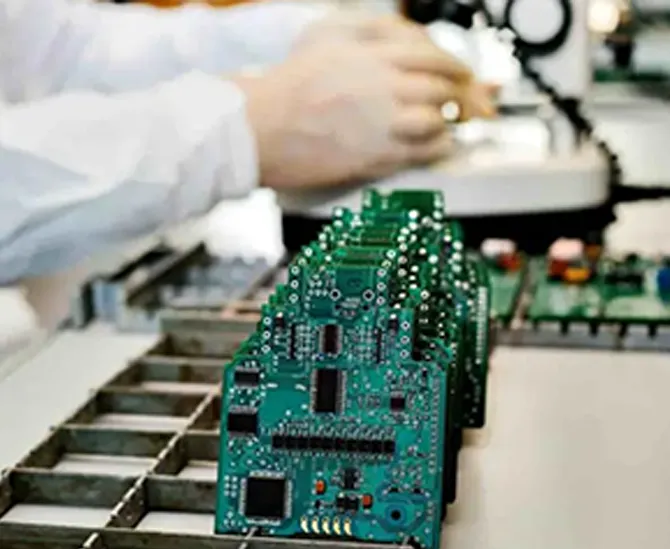
Inspection and Functional Testing for Better Product Reliability
Quality control is an essential part of electronics manufacturing because assembly accuracy directly influences the operation of a finished device. Even when a circuit board appears correctly assembled, hidden soldering issues, misplaced components, or electrical faults may affect its performance.
Inspection procedures help identify visible assembly problems, including component placement errors, soldering inconsistencies, and other manufacturing defects. Depending on the project, inspection methods may include automated optical inspection, visual examination, and additional specialized checks.
Functional testing provides another layer of evaluation by examining whether an assembled product operates according to its intended design. Testing requirements can vary depending on the product category, operating environment, and customer specifications.
Combining appropriate inspection methods with functional evaluation helps manufacturers identify potential issues before products move into later production or delivery stages.
From Prototype Development to Full Production
Electronics development rarely moves directly from an initial design to large-scale manufacturing. Most projects benefit from an intermediate prototype stage where engineers can evaluate board functionality, component compatibility, assembly quality, and overall product behavior.
Prototype manufacturing provides an opportunity to identify design improvements before committing to larger quantities. Engineers can examine physical dimensions, verify connections, and assess whether the selected components meet the project's requirements.
Once the design has been reviewed and approved, the manufacturing process can progress toward repeat production. Maintaining consistent documentation and production specifications becomes especially important when increasing manufacturing volumes.
Having access to prototype and production support through one manufacturing partner can make this transition easier to coordinate. It also helps businesses maintain continuity as their electronic products move through different development stages.
Why Businesses Choose an Integrated PCB Manufacturing Partner
Working with an integrated electronics manufacturing provider offers practical advantages for product developers, engineering teams, and established businesses. The main benefit is the ability to coordinate several manufacturing requirements through a connected service structure.
One Connected Manufacturing Process
PCB fabrication, component sourcing, assembly, testing, and product integration can be managed as related stages rather than separate activities. This can reduce the effort required to coordinate multiple suppliers.
Support for Different Project Sizes
From early prototypes to ongoing production requirements, flexible manufacturing support helps businesses organize their projects according to development priorities and expected demand.
Technical and Production Coordination
Clear communication about engineering files, component specifications, and assembly requirements helps teams address production considerations before they become more complicated problems.
More Convenient Product Integration
Box build services extend manufacturing beyond the circuit board itself. By integrating electronics into enclosures and combining related product elements, businesses can move closer to receiving complete electronic assemblies.
365PCB as a Manufacturing Resource for Electronics Projects
365PCB brings together several important electronics manufacturing services, covering custom printed circuit boards, turnkey PCBA, component and BOM sourcing, inspection, functional testing, and box build. This combination supports businesses that need assistance across multiple stages of product development and manufacturing.
Its service range is relevant to companies that want to simplify the transition from engineering documentation to assembled electronic products. Rather than focusing exclusively on bare PCB production, the manufacturing approach also considers the components, assembly requirements, and integration activities needed to complete a project.
For businesses evaluating manufacturing providers, important considerations include technical capabilities, communication, documentation requirements, production specifications, and quality control procedures. Reviewing these factors helps determine whether a supplier is appropriate for a particular application.
Build a More Connected Path from Design to Finished Electronics
Successful electronics manufacturing depends on several elements working together. Custom PCB fabrication establishes the foundation, component sourcing provides the necessary materials, and SMT or THT assembly transforms the board into a functional electronic unit. Inspection, functional testing, and box build services then support the transition toward a more complete product.
Choosing a manufacturing partner that understands these connected requirements can simplify project coordination and provide valuable support throughout the product development process. Whether the objective is producing an initial prototype, assembling a complex circuit board, or preparing electronics for larger production requirements, the right manufacturing capabilities make a meaningful difference.
Explore 365 PCB Supplier to discover PCB fabrication, turnkey assembly, component sourcing, testing, and product integration services. With support covering multiple stages of electronics manufacturing, 365PCB offers businesses a practical starting point for turning engineering designs into professionally assembled electronic products.