
Discover a Better Way to Drink Water with Advanced Home Filtration Technology
Everyday access to drinking water is something most households take for granted until concerns about taste, odor, or water quality begin to arise. Tap water may be treated before reaching homes, but its characteristics can still vary depending on the source, distribution infrastructure, and plumbing conditions. For people who want a more enjoyable drinking experience, installing an additional filtration system can be a practical way to improve their household water routine.
Reverse osmosis technology has become a popular choice for homeowners seeking advanced water treatment. Modern RO systems are designed to reduce many dissolved substances while delivering convenient access to filtered water. With improvements in filtration speed, water efficiency, and everyday usability, these systems offer an attractive alternative to relying entirely on bottled drinking water.
Why Better Drinking Water Matters in Everyday Life
Water quality influences more than hydration. It also plays a role in preparing food, making beverages, and maintaining daily household routines. When tap water has an unpleasant taste or noticeable odor, people may become less comfortable using it for drinking and cooking.
A suitable home filtration system provides an additional treatment step that can address specific water-quality concerns. Instead of constantly purchasing bottled water, households can enjoy convenient access to filtered water directly from their kitchen. This can simplify shopping routines, reduce bottle storage requirements, and make everyday hydration more convenient.
Consumers researching modern filtration products can explore the Puflow Water Filter Store for advanced reverse osmosis solutions focused on cleaner-tasting water, fast flow, lower wastewater, and effortless daily operation.
Understanding the Benefits of Advanced RO Filtration
Reverse osmosis uses a specialized membrane to separate water from many dissolved substances. This process makes it useful for households looking for more comprehensive treatment than basic sediment filtration can provide.
Cleaner and More Enjoyable Drinking Water
One of the main advantages of reverse osmosis filtration is its ability to reduce many substances that can influence water taste. Depending on the membrane and system configuration, RO technology can reduce dissolved salts, certain metals, and other unwanted contaminants.
For households that dislike the flavor of their tap water, this additional treatment may create a more pleasant drinking experience. Filtered water can also be used for preparing coffee, tea, ice, and everyday meals.
Convenient Access Through Improved Water Flow
Water filtration should make household routines easier. Modern RO systems increasingly focus on practical water production and convenient dispensing. Faster flow can help reduce waiting when filling bottles, glasses, or cooking containers.
This feature is particularly useful for busy households where multiple people may need filtered water throughout the day.
More Efficient Water Usage
Traditional reverse osmosis systems produce wastewater as part of their filtration process. However, modern designs increasingly emphasize improved water efficiency. Systems developed with lower-waste performance in mind can help reduce the volume of water discharged during purification.
When comparing different models, consumers should review the manufacturer's stated water recovery ratio and understand that actual efficiency depends on operating conditions.
Simple Everyday Operation
A filtration system should fit naturally into a home rather than create additional complications. Convenient installation, accessible filter replacements, and clear maintenance instructions can make a significant difference to the overall ownership experience.
How Reverse Osmosis Systems Turn Tap Water into Filtered Water
The reverse osmosis process involves several treatment stages that work together to improve water quality. Although the technology may sound complicated, the basic process is relatively straightforward.
1. Preliminary Filtration
Incoming water usually passes through prefilters before reaching the RO membrane. These filters capture sediment and other suspended particles. Depending on the configuration, carbon filtration may also help reduce chlorine and certain chemicals that could affect membrane performance.
2. Reverse Osmosis Membrane Treatment
Water pressure pushes the incoming water through a semipermeable membrane. Water molecules pass through while many dissolved substances are reduced. The concentrated contaminants are separated and directed toward the wastewater outlet.
3. Final Filtration and Dispensing
Some systems include a post-filter that helps refine the taste of the treated water. Once filtration is complete, water is delivered through the dispensing outlet for household use. Users should follow the manufacturer's flushing and installation instructions before consuming water from a newly installed system.
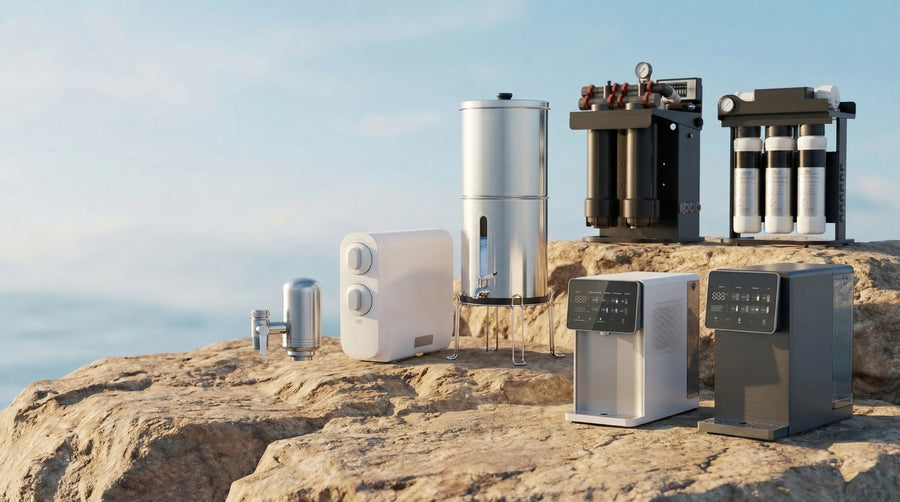
Explore the Design and Technology Behind Modern Water Filters
Choosing a water filtration system involves evaluating both its treatment capabilities and practical design. A product may offer advanced filtration, but its long-term value also depends on how conveniently it operates in a real household environment.
Filtration Performance
Review the product specifications to understand which contaminants the system is designed and independently tested to reduce. Certifications and verified performance information provide more useful guidance than broad claims about water purification.
Production Capacity
Daily water consumption should influence your purchasing decision. A larger household may need a system with greater production capacity, while smaller households may have different requirements. Check the rated output and the conditions under which the manufacturer measures performance.
Replacement Filter Availability
Filters and membranes require periodic replacement. Before purchasing, check the cost and availability of compatible replacement components. Understanding maintenance requirements in advance can help avoid unexpected expenses.
Installation Flexibility
Consider where the system will be installed and how much space is available. Check plumbing connections, drainage requirements, and electrical needs where applicable. Proper installation helps support reliable operation and prevents avoidable maintenance problems.
Why Homeowners Are Considering Puflow Water Filtration Solutions
Consumers increasingly want household appliances that combine useful technology with convenient operation. Water filtration products must meet similar expectations by delivering practical performance without making daily routines more complicated.
Puflow focuses on advanced reverse osmosis systems designed to address common household water concerns. Its approach emphasizes better-tasting drinking water, fast-flow performance, reduced wastewater, and effortless everyday use. These priorities make its product range worth exploring for homeowners interested in upgrading their drinking water setup.
Some important reasons consumers may consider these solutions include:
- Advanced RO technology: Membrane-based filtration designed to reduce many dissolved impurities.
- Improved drinking experience: A focus on producing cleaner-tasting water for daily use.
- Convenient water delivery: Fast-flow performance designed around everyday household needs.
- Water-conscious design: An emphasis on reducing wastewater during filtration.
- Practical usability: Solutions focused on making filtered water easier to access and enjoy.
For consumers comparing filtration options, these features provide a useful starting point when evaluating the right equipment for their home.
Maintenance Practices That Support Long-Term Performance
Even an advanced water filtration system needs regular maintenance. Following the manufacturer's recommendations helps maintain the intended filtration performance and keeps the equipment operating properly.
Replace cartridges and membranes according to their recommended schedules. Replacement intervals may vary depending on water quality, daily usage, and the specific system design. Waiting too long can affect water flow and filtration effectiveness.
Homeowners should also inspect tubing and connections periodically for leaks. Keep the installation area clean, monitor changes in water taste or flow, and follow any recommended sanitization procedures. Maintaining a simple replacement record can make it easier to organize future servicing.
Regular water testing may also be useful when incoming water conditions change or when there are specific concerns about particular contaminants. This helps ensure that the selected filtration system remains appropriate for the household's needs.
Make Cleaner-Tasting Water an Everyday Convenience
Improving your household drinking water experience starts with choosing a filtration solution that balances treatment performance, convenience, and efficiency. Advanced reverse osmosis systems can reduce many dissolved substances while helping produce better-tasting water. Features such as faster flow, reduced wastewater, and straightforward operation make modern RO technology an appealing choice for households looking to improve everyday hydration.
The right system should match your water quality, household consumption, installation space, and maintenance preferences. Taking time to compare these factors can help you choose equipment that supports your long-term expectations.
If you are ready to upgrade your home drinking water setup, explore the advanced filtration solutions available through Puflow's official website. Discover modern RO technology designed to deliver cleaner-tasting water with convenient flow, lower waste, and effortless daily use. Make a smarter choice for your kitchen and enjoy a better water experience with Puflow.